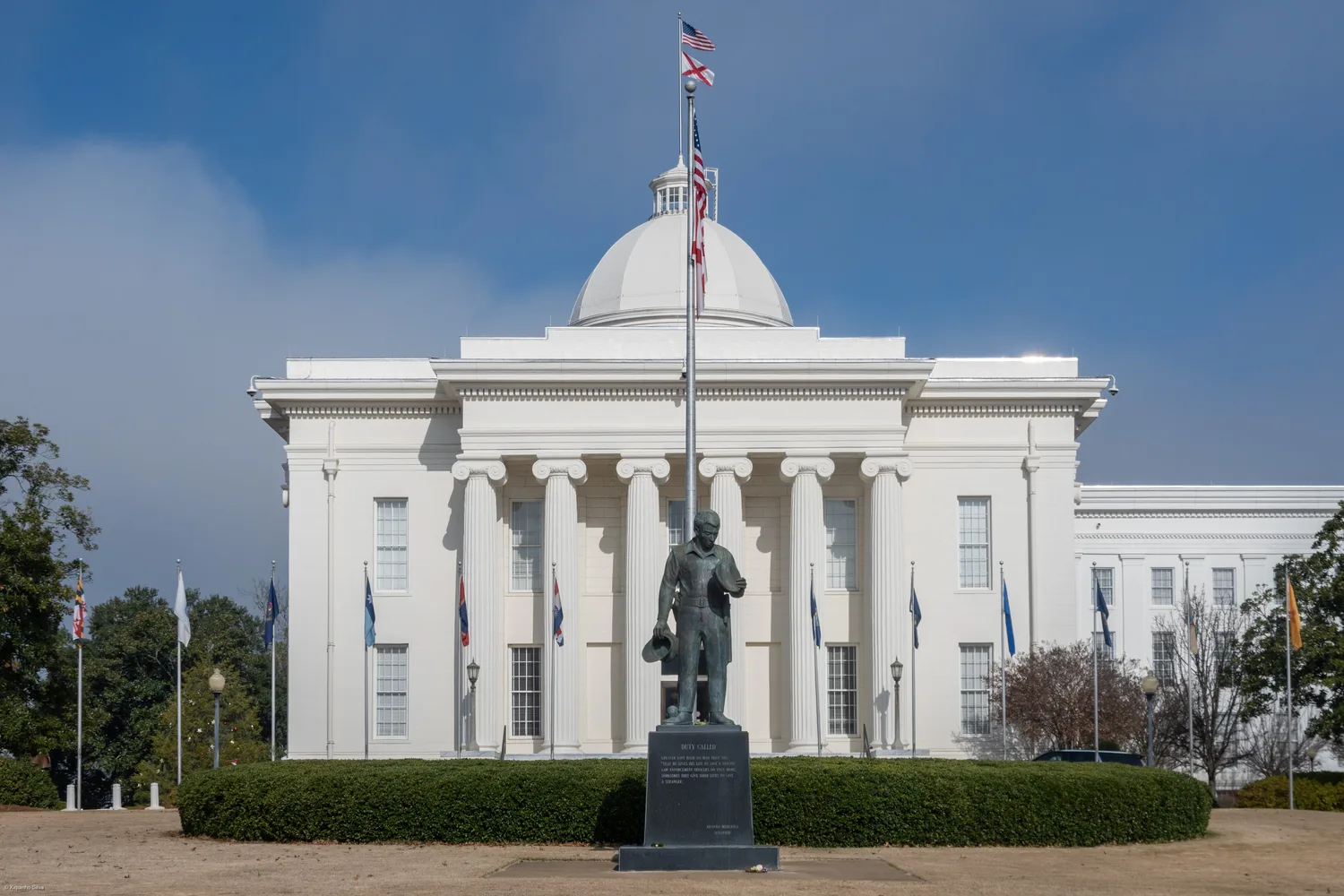
Mayor Steven Reed wants Governor-elect Tommy Tuberville to show the crime figures behind any National Guard deployment in Montgomery. The city also says the research on Guard patrols is mixed.
Mayor Steven Reed says Governor-elect Tommy Tuberville should show residents the crime figures behind any plan to send National Guard troops into Montgomery.
Reed’s statement answered Tuberville’s comments about deploying the Guard in the city. The city published it on Nov. 4, the day after Election Day, along with a summary of research on Guard deployments in other cities. Everything here comes from the city’s statement.
“Keeping Montgomery safe is my top priority,” Reed said. “Our officers are doing difficult, important work, and any assessment of our city should account for the progress MPD is already making.”
What Reed wants to know
Reed said residents deserve answers to these questions before any deployment:
- what current crime figures Tuberville is using, and for which periods
- which crimes a deployment is meant to reduce
- how much further those numbers are expected to fall, and by when
- how results would be told apart from the Montgomery Police Department’s ongoing work
- the mission, the cost, how troops would work with local police and when a deployment would end
“We welcome effective partnerships with the state,” Reed said. “Any proposal should include a clear mission, coordination with local law enforcement, measurable goals and transparent reporting.”
The city’s statement does not say Reed would refuse troops. It does not give Montgomery crime figures either.
What the city says the research shows
The city called the evidence on the Guard as a crime-fighting tool “a mixed picture.” It pointed to two cities.
- Memphis, Tennessee. The U.S. Marshals Service reported large crime drops in the first year of the Memphis Safe Task Force. The city noted that the task force combined federal, state and local police with Guard members, so its results do not isolate what the Guard added. It also cited the Council on Criminal Justice, which found crime in Memphis was already falling before the deployment.
- Washington, D.C. The city cited a University of Maryland-led analysis, published through the Niskanen Center. It estimated a drop of about 24% in opportunistic property crime, with no measurable effect on violent crime. A separate working paper by economist Robert Gonzalez found no detectable drop in homicides. The city described both as preliminary research.
What happens next
Tuberville was elected governor on Nov. 3 and has not yet taken office. Any Guard deployment would be a decision for the governor. Neither the city nor the state has published a formal deployment plan for Montgomery.
What it means for you
- Nothing has changed on the streets. No deployment has been ordered, and the Montgomery Police Department still patrols the city.
- The questions are now public. Reed has set out what the city wants to see in any plan: the crime baseline, the target, the cost and an end date.
- You can weigh in. The mayor’s office takes residents’ views through the city’s constituent services page.
Have your say