Montgomery won three National Park Service grants worth $1.55 million to preserve the St. Jude Hospital building and the Ben Moore Hotel, two civil rights landmarks.
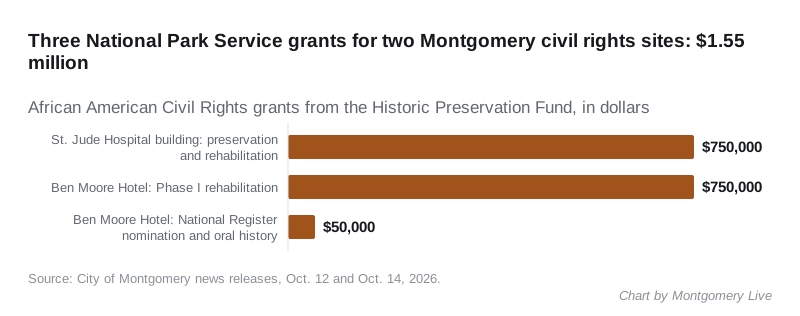
Two Montgomery buildings tied to the civil rights movement will get $1.55 million in federal preservation money. The city has won three National Park Service grants for the St. Jude Hospital building and the Ben Moore Hotel.
The city announced the awards in two releases, on Monday and Wednesday. All three come from the Historic Preservation Fund’s African American Civil Rights program, which the National Park Service runs for the U.S. Department of the Interior.
The money breaks down like this:
- $750,000 for preservation and rehabilitation work on the St. Jude Hospital building
- $750,000 for Phase I rehabilitation of the Ben Moore Hotel
- $50,000 for a National Register of Historic Places nomination for the hotel, with oral-history research
St. Jude Hospital
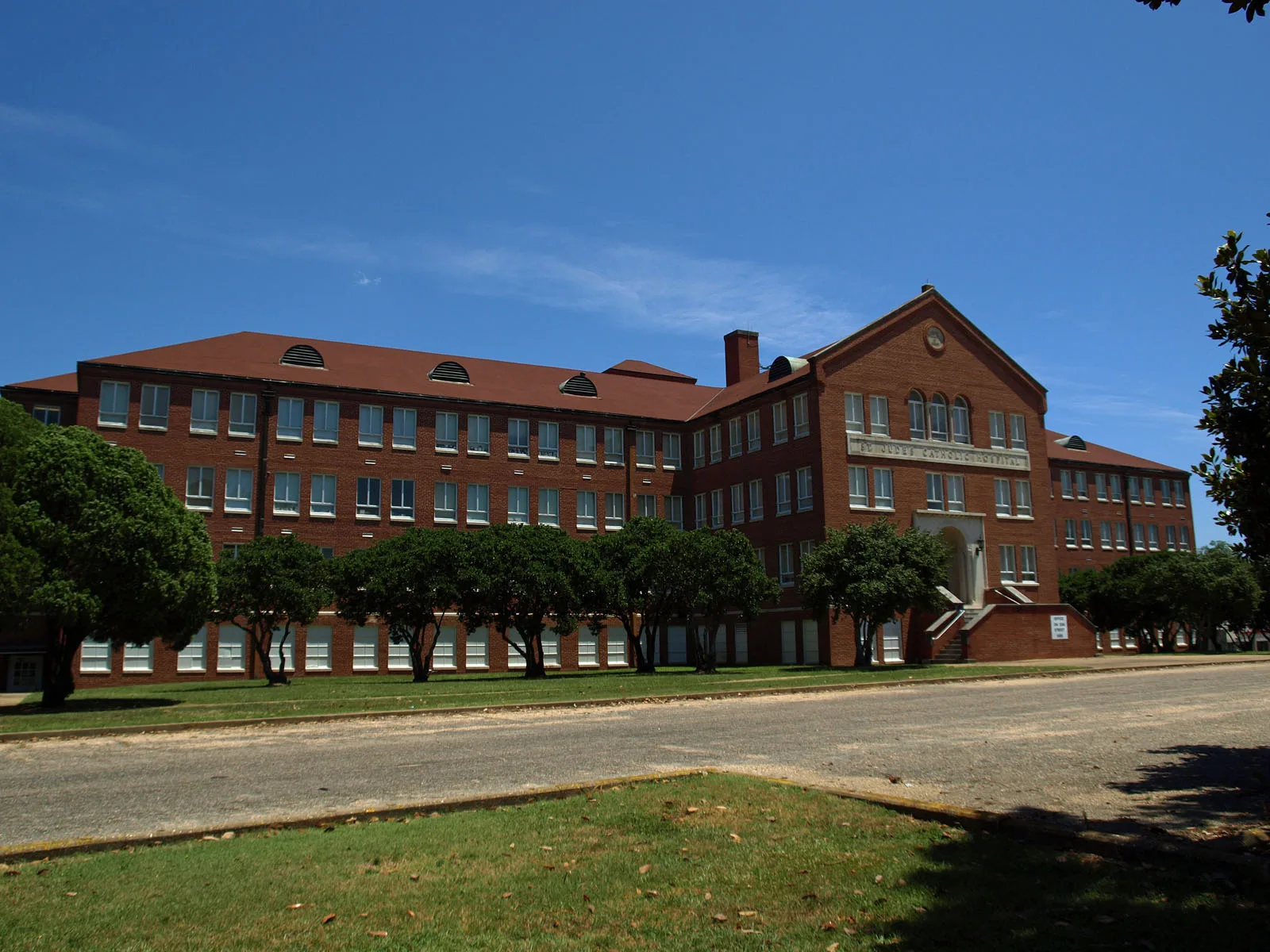
The hospital grant will pay for architectural services, historic structure reports, preservation planning and physical preservation work, the city said in its Oct. 14 release. The aim is to protect the building and prepare it for a larger rehabilitation.
The city said long-term plans envision turning the hospital into affordable housing while keeping its historic character.
Catholic priest Father Harold Purcell set up the City of St. Jude in the 1930s to provide health, education and social services to Black residents. St. Jude Hospital opened in 1951. The city describes it as the Southeast’s first integrated hospital.
On March 24, 1965, marchers walking from Selma made the campus their final campsite before the last leg to the Alabama State Capitol. That night the grounds hosted the “Stars for Freedom” rally, organized by Harry Belafonte, with Nina Simone, Joan Baez, Pete Seeger and Odetta among the performers. The march ended at the Capitol the next day.
The Ben Moore Hotel
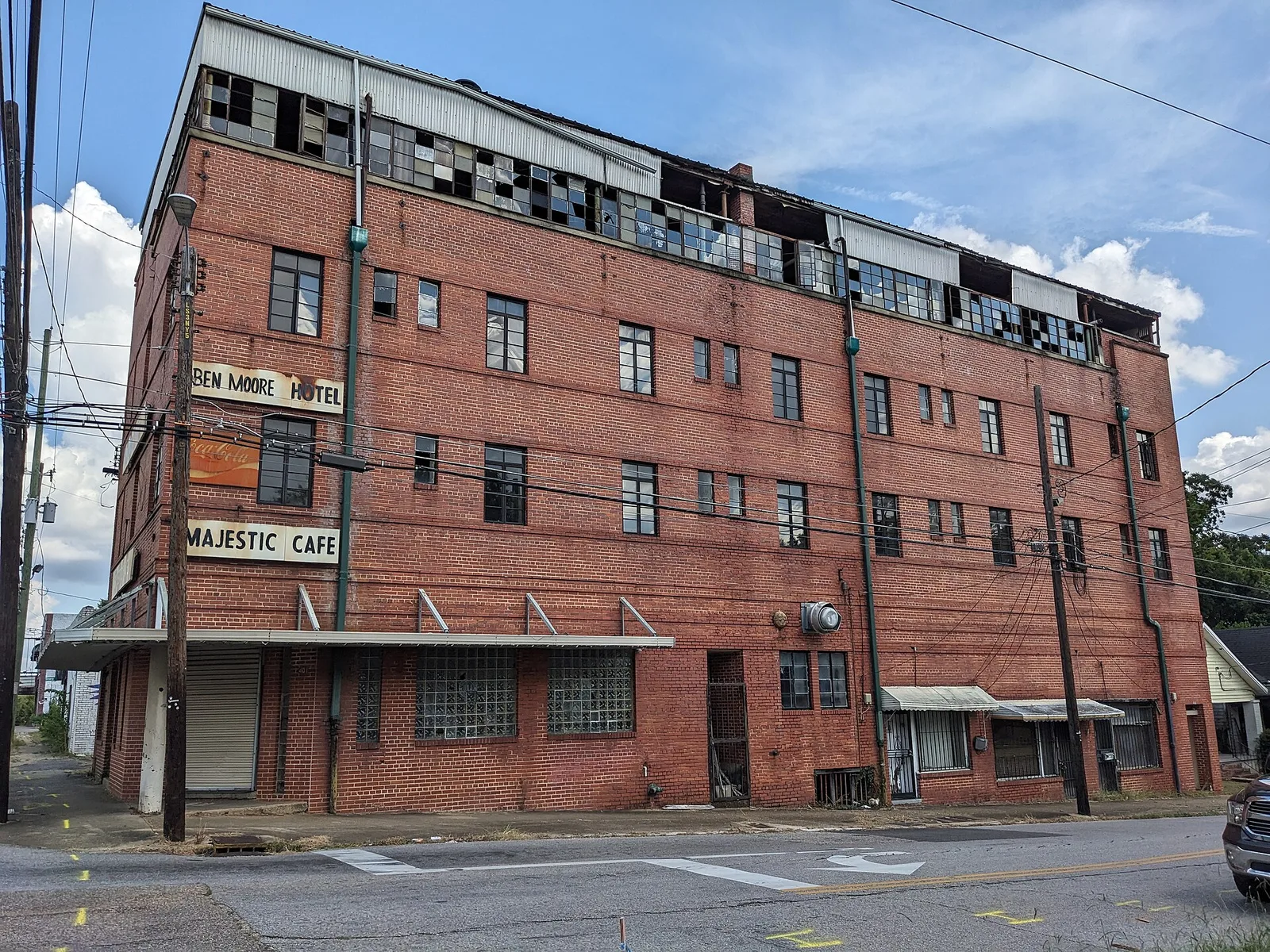
Montgomery businessman Matthew Franklin “Ben” Moore opened the hotel in 1951. It gave Black travelers a place to stay when segregation shut them out of other lodging, and it was listed in The Negro Motorist Green Book, according to the city’s Oct. 12 release.
The building housed:
- the Majestic Cafe
- the Malden Brothers Barbershop, which Nelson Malden and his brothers opened in 1958
- the rooftop Afro Club
The city said the Rev. Dr. Martin Luther King Jr. was among the barbershop’s customers. Nelson Malden’s oral history is held by the Smithsonian’s National Museum of African American History and Culture.
The hotel sits in the Centennial Hill Historic District, which was listed on the National Register in 2024. The new $50,000 nomination will document the hotel’s own history, through interviews, photographs, archival research and community meetings.
The Conservation Fund bought the hotel in 2025. The city said the fund is working with the city and the Landmarks Foundation of Montgomery on preserving the building and on public conversations about its future.
What it means for you
- Nothing changes on the ground yet. The city has not published a start date or a schedule for the work at either building.
- The St. Jude grant is a first step toward housing. It pays for planning and stabilization, not the full conversion. Affordable housing is the city’s long-term aim, not a funded project.
- Your memories may be wanted. The hotel research includes oral history and community engagement. If you or your family have photographs or stories of the Ben Moore, the Majestic Cafe or the barbershop, the Landmarks Foundation of Montgomery and the city are the partners named on the project.
More on the neighborhood around the hotel is in our Centennial Hill guide, and the city’s other civil rights sites are in Montgomery history and landmarks.
Have your say